Maplewood was founded in the late 1700s by a group of settlers led by a prominent landowner named Samuel Hawthorne. The town originally served as a trading post for fur trappers and lumberjacks due to its proximity to dense forests and abundant wildlife. Over the years, Maplewood evolved into a bustling agricultural community known for its fertile soil and thriving orchards. In the 20th century, the town experienced a boom with the establishment of several manufacturing industries, particularly in furniture and textiles. Today, Maplewood retains its small-town charm while embracing modern developments.
The history of Maplewood dates to the late 1700s when the area was first settled by European colonists. The land was originally inhabited by indigenous peoples, including the Mohican and Munsee tribes, who utilized the rich natural resources of the region for hunting, fishing, and agriculture. The arrival of European settlers led to the displacement of native communities, and the land was gradually colonized for farming and trade.
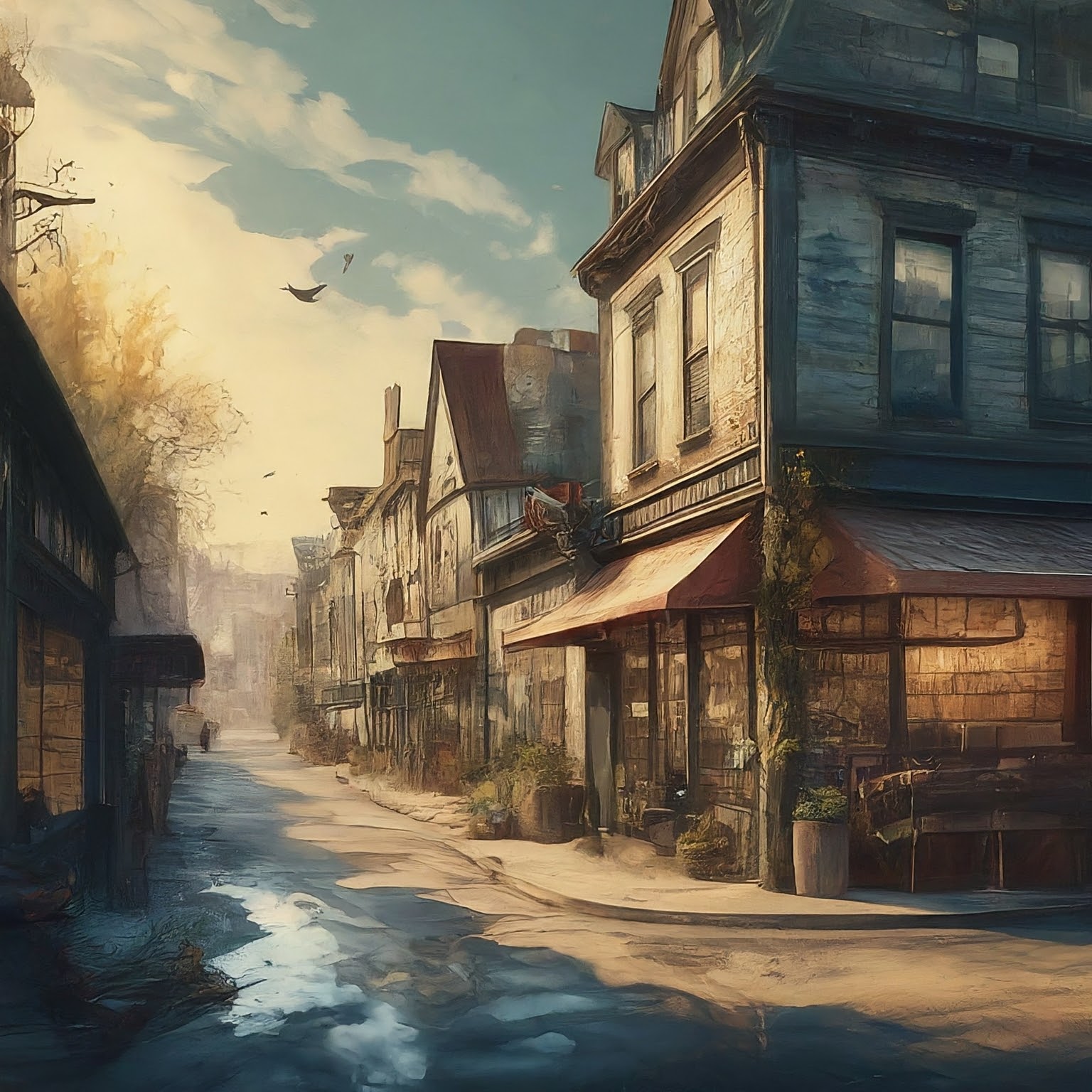
Maplewood was founded in 1798 by settlers led by Samuel Hawthorne, a prominent landowner and entrepreneur. The town's name was inspired by the abundance of maple trees that dotted the landscape, providing a valuable resource for maple syrup production and timber. In its early years, Maplewood thrived as an agricultural community, with fertile soil supporting crops such as wheat, corn, and apples. The town also became a hub for trade and commerce, thanks to its strategic location along major transportation routes, including rivers and stagecoach roads.
During the 19th century, Maplewood experienced rapid industrialization and economic growth, fueled by advances in manufacturing and technology. The construction of mills and factories along the banks of the river brought jobs and prosperity to the region, attracting migrants from other parts of the country. Maplewood became known for its thriving textile industry, producing fabrics and garments for both domestic and international markets. The town's population swelled as immigrants arrived seeking opportunities in the booming industrial sector, contributing to the cultural diversity and vitality of the community.
In the 20th century, Maplewood underwent further transformation as the economy diversified and modern infrastructure was developed. The decline of traditional industries was offset by the rise of new sectors such as technology, healthcare, and tourism. Maplewood embraced its natural beauty and historic charm as assets for attracting visitors and investors, leading to the revitalization of downtown areas and the preservation of historic landmarks. Today, Maplewood remains a thriving community that honors its past while embracing the opportunities and challenges of the present day.
